-

·
How to Keep Your Primary Number on iMessage with an eSIM (The 24-Hour Deregistration Bug)
You land in a new country, pop out your domestic plastic SIM card using a paperclip or SIM-eject tool, and insert a local tourist SIM to get immediate mobile data. For the first few hours, everything works seamlessly. Then, exactly 24 hours later, your iPhone displays a sudden system alert: “Your phone number is no…
-
·
Airline In-Flight eSIM Add-Ons: Why Booking Data at Checkout Costs Double
During the flight booking funnel, commercial airlines and online travel agencies (OTAs) present a steady stream of ancillary add-ons: extra baggage allowances, seat selection, travel insurance, and priority boarding. Recently, carrier checkout screens have introduced a new digital upsell: pre-packaged destination travel eSIMs. Promoted as convenient, one-click mobile connectivity waiting for you the second your…
-
·
Opera In-Browser Travel eSIM Review: Is No-App Data Worth It?
On September 29, 2026, Opera announced a major feature update to Opera for Android: a native, in-browser travel eSIM powered by Holiday.com. Covering 47 international destinations, the integration eliminates the traditional requirement of visiting the Google Play Store to install a dedicated third-party eSIM application while hunting for airport Wi-Fi. To drive initial trial, Opera…
-
·
The 7 vs 15-Day Trap: Why Fixed-Block Travel eSIMs Waste 33% of Your Budget
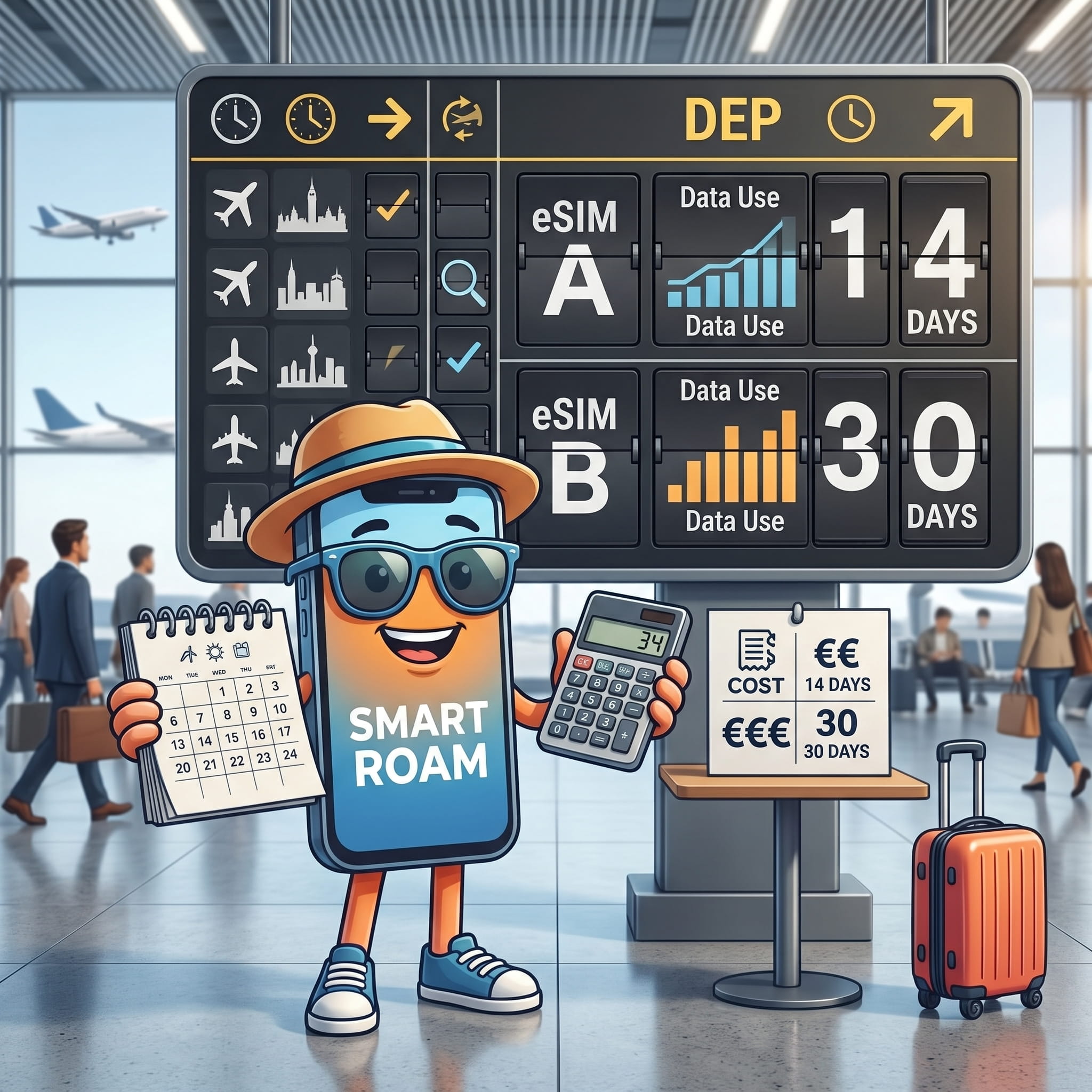
Most international vacations do not fit neatly into calendar weeks. Flight schedules, long-weekend bank holidays, and school breaks often lead to itineraries lasting 9, 11, or 18 days. When travelers shop for connectivity, they frequently encounter two structural options: rigid 7, 14, or 30-day fixed duration blocks, or customized daily unlimited passes that charge a…
-

·
Deutsche Telekom T-Travel eSIM Review: Big Telco vs. Travel Marketplaces
On September 21, 2026, European telecommunications giant Deutsche Telekom officially launched T-Travel, a standalone digital travel eSIM app designed to compete directly with digital-first providers across more than 200 international destinations. While traditional operators face billions in lost roaming revenue as travelers migrate to digital eSIMs, Deutsche Telekom is attempting to capture this spend directly.…
-

·
Cellular at Sea Trap: Avoid $1,000 Cruise Phone Bills with Travel eSIMs
Embarking on a luxury cruise across the Mediterranean, the Caribbean, or the Arabian Gulf offers a relaxing holiday, until the post-trip mobile bill arrives. Every year, thousands of cruise passengers return home to find multi-thousand-dollar phone bills racked up over just a few days at sea. When your cruise liner navigates into international waters, your…
-
·
FUP Transparency as a Competitive Moat: The End of Fake Unlimited eSIMs
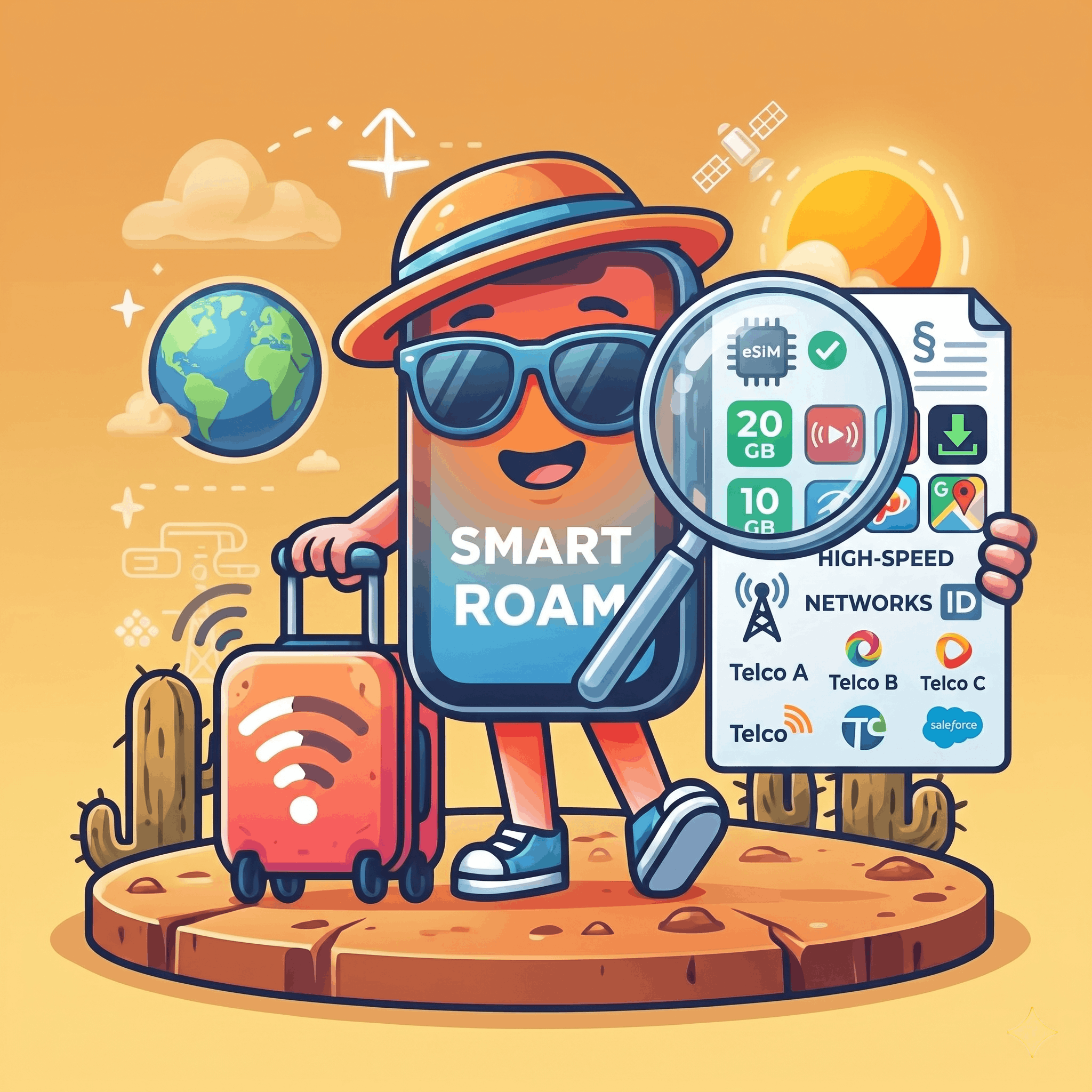
For years, international travel connectivity marketing relied on a single buzzword: “Unlimited.” Providers promised boundless global data, attracting travelers eager to avoid monitoring gigabytes. Today, experienced international travelers, digital nomads, and online travel communities are rejecting generic unlimited labels. Transparent high-speed data allowances, unthrottled personal hotspot capability, and upfront disclosure of underlying carrier agreements have…
-
·
Huawei Mobile WiFi 5 eSIM vs Linklan LA7: Open eSIM vs Walled Garden
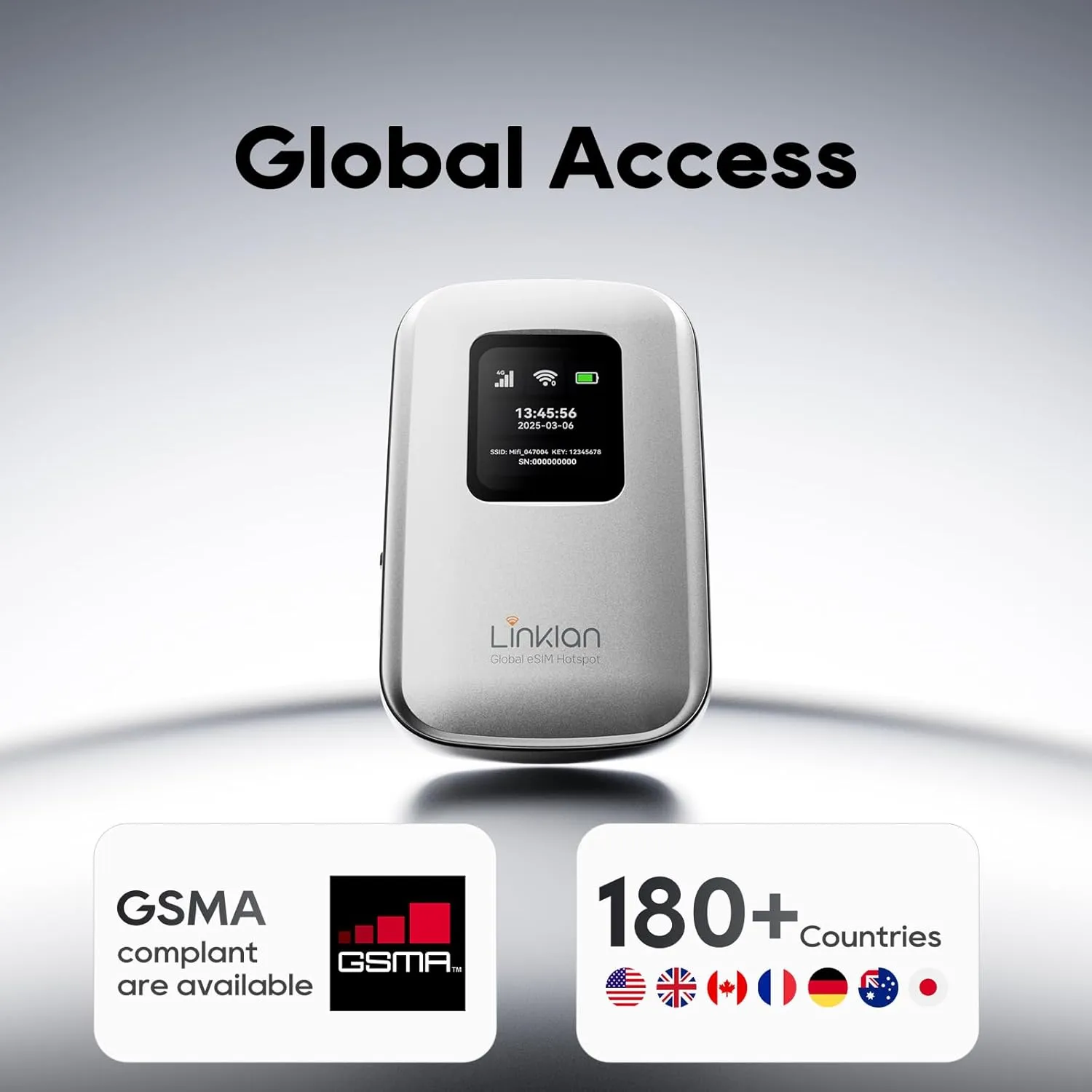
Huawei introduced a new portable hotspot in China, the Mobile WiFi 5 eSIM (model E5586-822-E). While embedding digital SIM hardware into portable pocket routers is an exciting industry trend, Huawei took a proprietary path. Buyers can only purchase and install data plans through Huawei’s proprietary Smart Life app. Understanding the difference between a locked ecosystem…
-

·
Family Travel Data: Why Buying 4 Separate eSIMs Wastes Money
Planning international data for a family vacation or group holiday usually leads to buying individual travel eSIMs for each person. When you calculate the combined cost of outfitting two adults, teenagers, kids’ tablets, and laptops with separate data profiles, the total travel tech budget skyrockets. A smarter hardware setup cuts that expense in half while…
-

·
Why Phone Hotspots Drain Battery Fast Abroad (and What to Use Instead)
Tethering your laptop or tablet to your smartphone seems like the easiest way to get online when working from an airport lounge, train station, or hotel lobby. However, using your phone as a mobile hotspot while traveling abroad drains your battery quickly and overheats your device. Understanding the technical strain of personal tethering reveals why…